The Science Behind UV-C Light
UV-C light is a specific wavelength of ultraviolet light — typically 253.7 nanometers — that disrupts the DNA and RNA of microorganisms, rendering them unable to reproduce. Without the ability to replicate, pathogens like mold spores, bacteria, and viruses are effectively neutralized.
Hospitals have used UV-C germicidal irradiation in operating rooms, patient isolation units, and HVAC systems for decades. Residential HVAC UV systems bring that same technology into the home at a fraction of the institutional cost.
How It Works in a Home HVAC System
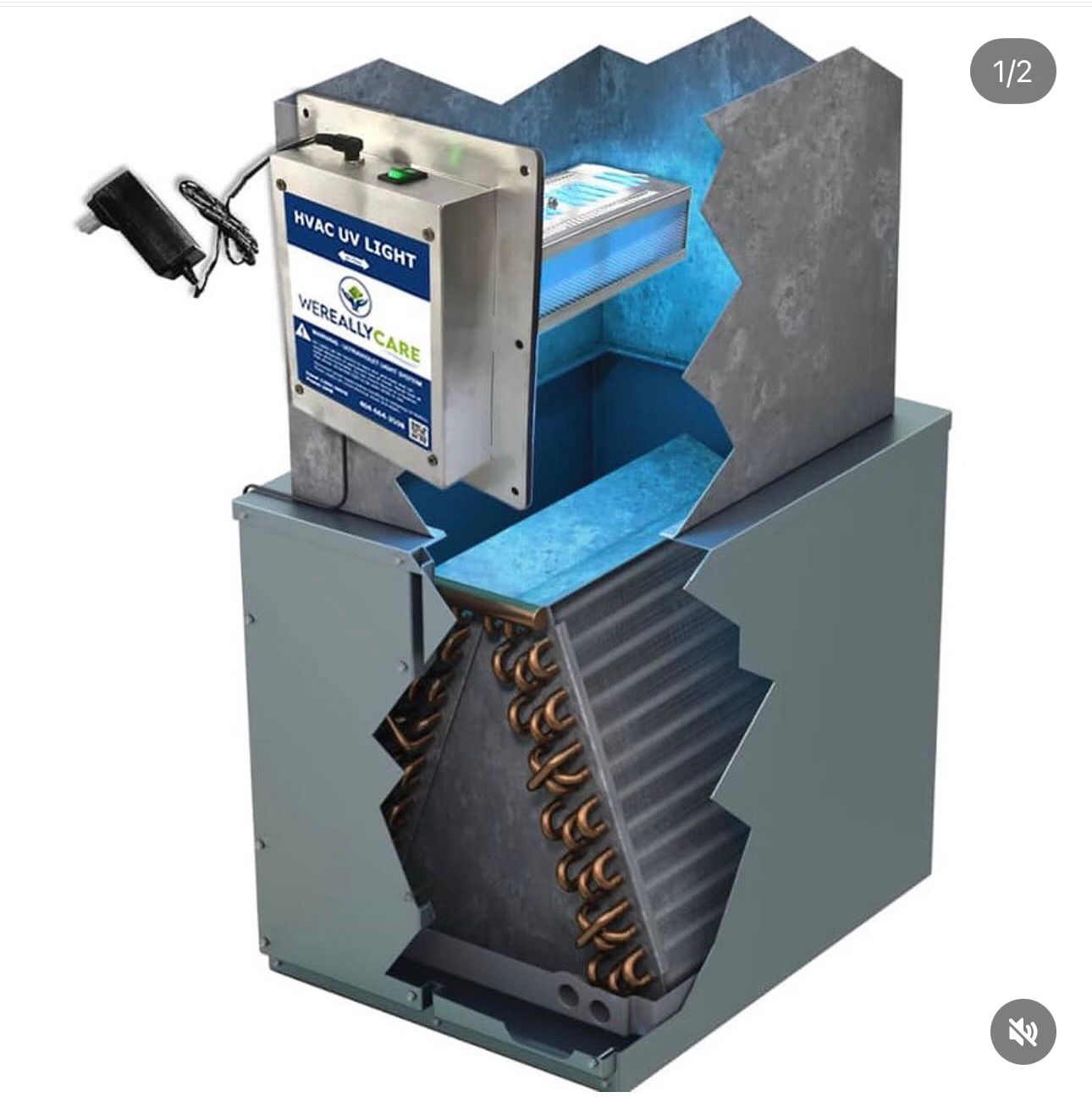
A UV-C lamp is installed inside your HVAC air handler — typically near the evaporator coil, which is the most common site for mold growth in residential systems. Every time air circulates through your system, it passes directly past the UV-C lamp.
The lamp runs continuously whenever your system is powered, meaning it works 24 hours a day whether or not the fan is running. Unlike air filters that only capture particles, UV-C light actually destroys the biological structure of airborne pathogens before they can circulate through your home.
Is It Worth It for Atlanta Homes?
Atlanta's climate makes UV systems especially valuable. High humidity means mold growth on evaporator coils is extremely common — so common that many HVAC technicians consider it a routine finding during service visits. A UV lamp installed near the coil prevents that growth continuously.
For households with allergy or asthma sufferers, young children, elderly family members, or anyone who wants to maximize indoor air quality, a UV system is one of the most cost-effective improvements you can make to your home.
Installation takes under 2 hours. The only ongoing maintenance is an annual bulb replacement, typically around $40–$80 depending on the unit.
Professional installation included. Available across all 46 cities in Greater Atlanta. This offer won't last long.
Claim This Offer →